What ongoing education do cosmetic tattooists need after a course? You’ve just finished a cosmetic tattoo course and thought to yourself, “wow, I still have heaps to learn” I reckon that’s a pretty common thought. Here at Face Figurati in Melbourne, I see loads of new graduates every week who finally wake up to the fact that their certificate is just the beginning – the real start of becoming a confident cosmetic tattoo artist. Loads of them turn up after completing their first cosmetic tattoo course, wanting a bit of clarification, some hands-on guidance and support when dealing with real clients.
Hi, I’m Olha Po, and this article feels a lot like the chats I have in the studio – relaxed, honest and actual real-world advice you don’t typically get from your initial training. Because continuous education in this industry isn’t a nice-to-have – it’s a must-do. It’s what takes your healed work to the next level, makes your safety knowledge rock solid and keeps you genuinely competitive in the cosmetic tattooing industry.
Contents
- 1 Why Training Doesn’t End With Your First Certificate
- 2 Technique Refreshers That Matter
- 3 Advanced Skills To Master
- 4 Safety And Hygiene You Must Update
- 5 Important Pigment And Tool Updates
- 6 Why Mentorship Matters Most
- 7 Colour Theory: Its Not as Simple As It Sounds
- 8 Business Skills That Help You Actually Thrive
- 9 Industry Trends Worth Learning — And What To Ignore
- 10 A Quick Recap Of What You Should Keep Updating
- 11 Final Thoughts — And A Friendly Invitation
- 12 FAQ
- 12.1 How often should I be updating my training?
- 12.2 Do I need to do some advanced eyeliner training after my basic course?
- 12.3 Can I just rely on what I learned in my first cosmetic tattoo course?
- 12.4 Should I take multiple courses in eyeliner tattoo?
- 12.5 What’s the best thing to do after eyeliner training?
Why Training Doesn’t End With Your First Certificate
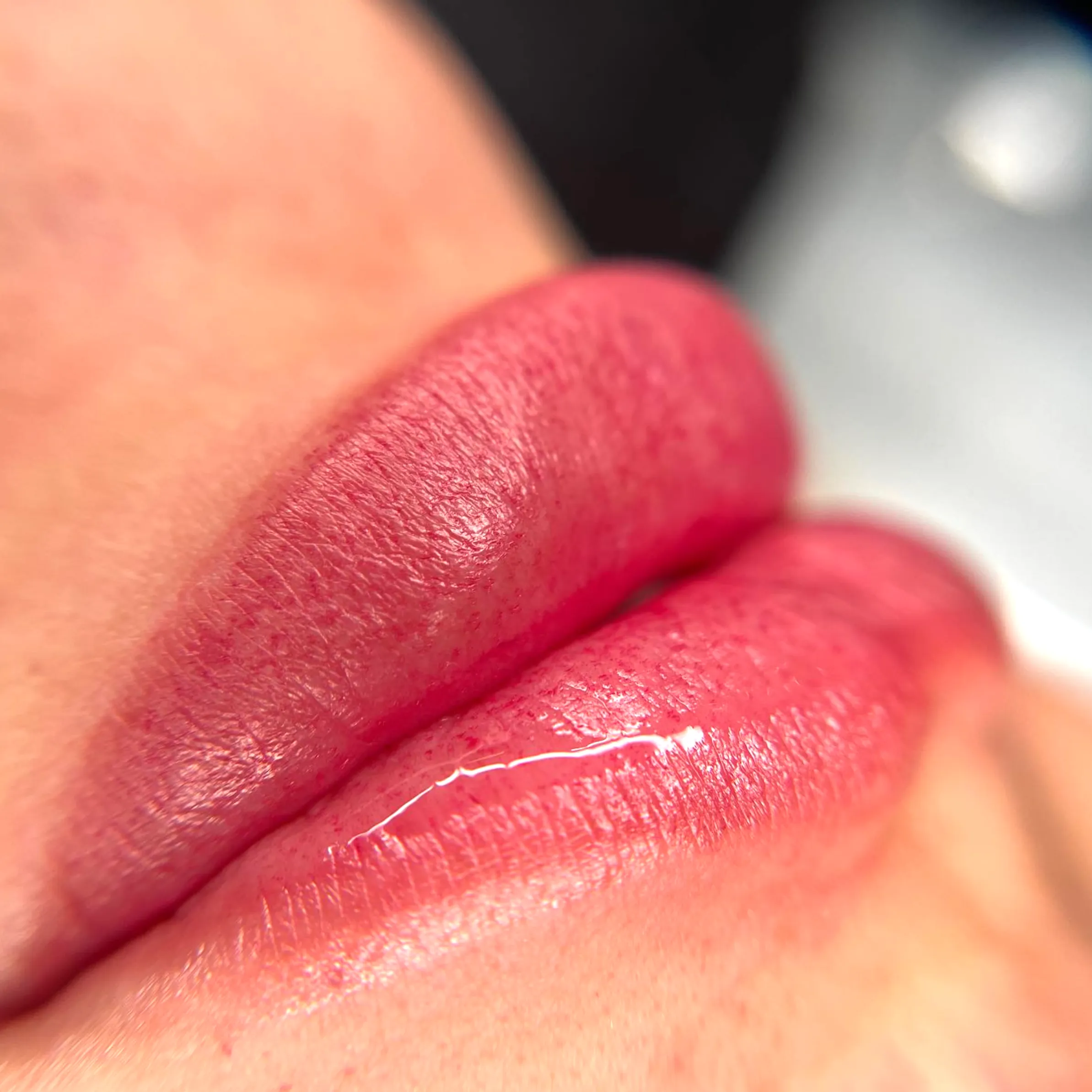
Most artists finish their first cosmetic tattoo course feeling pretty chuffed… until they start actually working with real clients, that is. Then you quickly come to realise that every single face is different. Even in Melbourne alone, we’ve got a mix of skin types, Fitzpatrick levels, undertones and lifestyle habits that can never be fully prepared for by textbooks.
You may have had a breeze doing it with latex or live models during training, but out in the real world, pigment behaviour can behave like a total wild card. Eyebrows, lips, and eyeliner all heal differently depending on your client’s skin tone, medication, seasonal changes and aftercare. That’s why so many artists seek out extra cosmetic tattoo courses when they start working – those gaps become pretty clear pretty fast.
Continuous learning is a must because it helps you:
- Adapt to various skin tones and textures
- Troubleshoot healed results
- Understand pigment behaviour deeply
- Avoid colour theory mistakes
- Improve symmetry and shaping skills
- Build confidence with client consultations
Your first certificate gave you the spark. Ongoing education fuels the fire.
Technique Refreshers That Matter
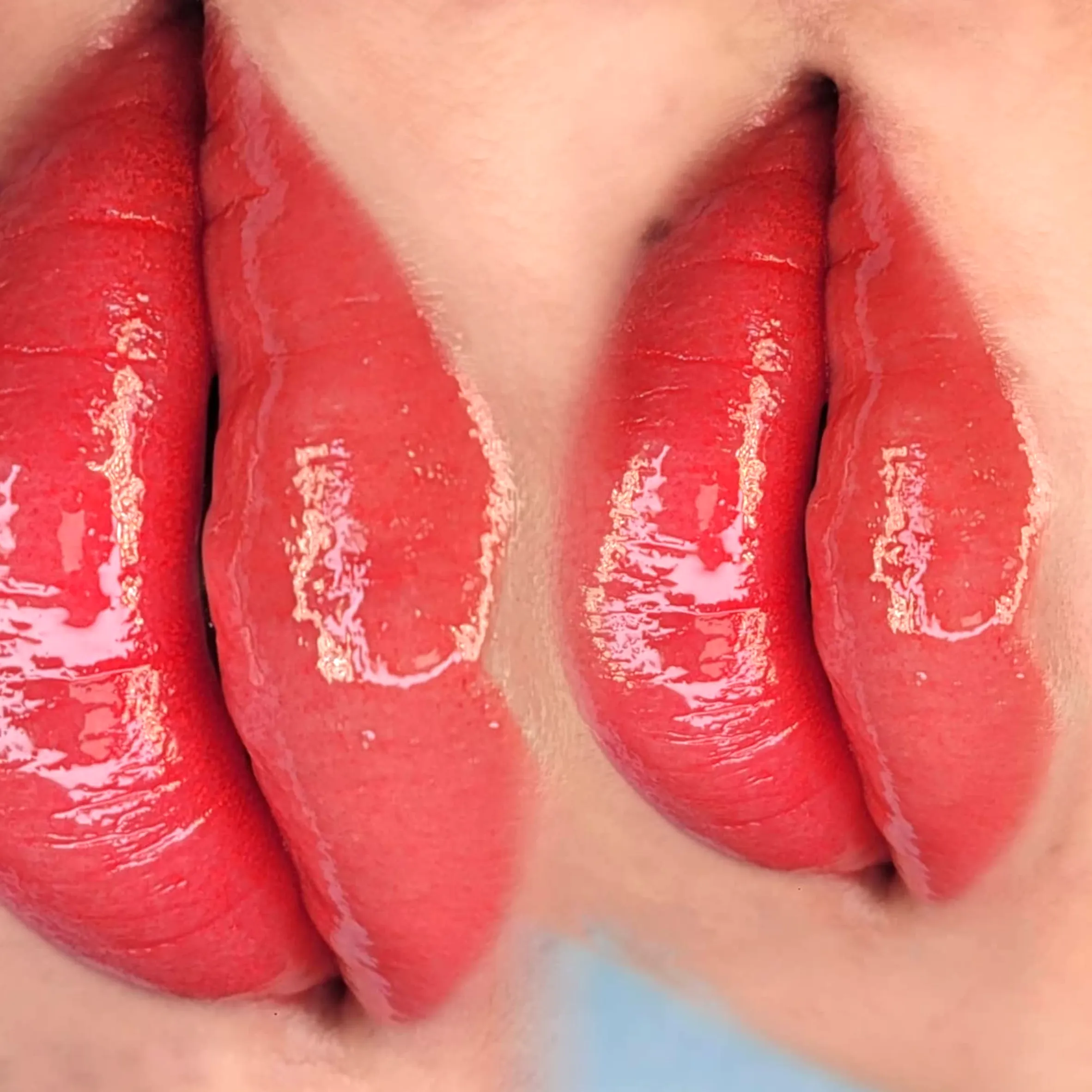
Even the best artists can get stuck in a rut, and a little technique refresh is just what’s needed to get unstuck. Students who’ve done an eyeliner tattoo course will often come back months later saying something like “I’m still struggling to get my wings right” or “My lash line ends up looking too thick after it’s healed.” And let’s be honest – that’s just normal.
Refresher days help you hone in on the things that need work. This includes:
- Stretching your technique as far as it will go
- Fine-tuning your needle depth control
- Kickstarting your hand speed
- Working out the kinks with the machine angle
- Getting a better handle on line weight
- Choosing the right colours for the job
- Putting it all together with mapping and symmetry
I work with loads of artists who’ve done eyeliner tattoo training but still get nervous about offering the service to paying clients. And it’s no wonder – eyeliner is a high-risk procedure. A bit of updated guidance can make all the difference, and it’s a great way to instantly transform your healed eyeliner results.
Advanced Skills To Master
Once you’ve got the basics down, you’ll naturally start wondering about all the advanced techniques that’ll take your skills to the next level – the kind of things you probably won’t learn in a single cosmetic tattoo course.
These are some of the advanced skills that top artists master over time:
- Colour correction for brows, lips, and eyeliner
- Toning down dark lip colour
- Creating beautiful winged eyeliner designs
- Doing combination work (machine shading + hairstrokes)
- Feather touch refinement
- Ombre/powder brow gradient transitions
- Hiding scars
- Working with older or textured skin
A lot of artists start by doing brows, then do some extra training in eyeliner tattoo or lip specialisation workshops because that’s what clients expect from a full-service artist. Advanced education also teaches you how to pick the best pigments for the job, how to adjust for different skin types, and how undertones affect long-term healing.
Safety And Hygiene You Must Update
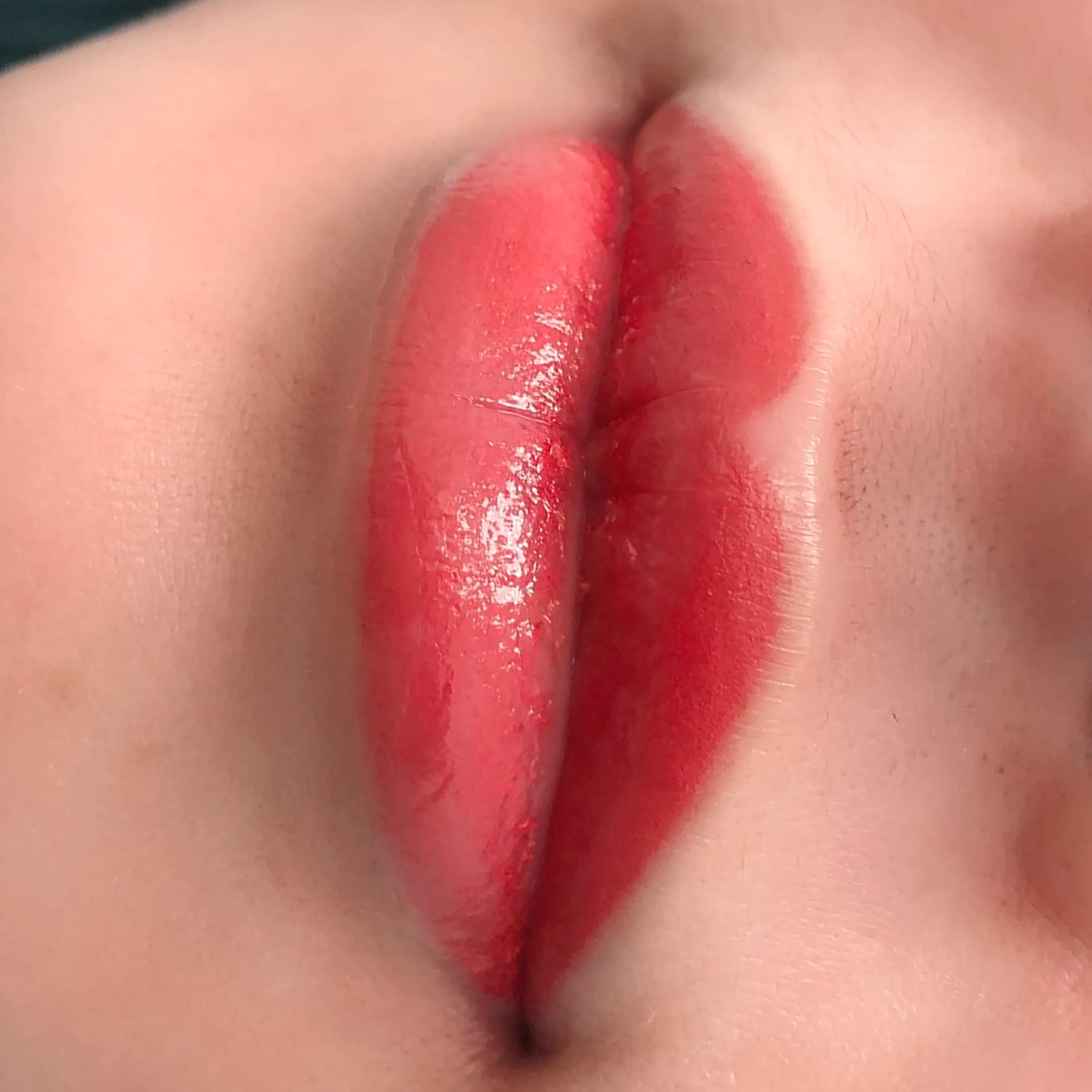
No matter how good you are with a tattoo machine, hygiene rules the roost in this industry. Infection control standards get updated all the time, and your certification needs to stay up to date – especially if you’re doing high-risk procedures like eyeliner.
A lot of artists think that their original cosmetic tattoo course covered everything, but that’s just not the case. Infection control regulations change, councils update their rules, and new industry expectations come up all the time.
Refresher training covers the basics, including:
- Bloodborne pathogens
- Safe disposal of sharps
- Preventing cross-contamination
- Updates to hygiene protocol
- Safety considerations for topical anesthetics
- Council compliance requirements
- Best practices for high-risk procedures
- Safe eyeliner application
Students who’ve done eyeliner tattoo training often come back for an update on safety education, because working on the eye area means you need to be extra careful.
Important Pigment And Tool Updates
The cosmetic tattooing industry evolves at lightning speed. If you’re still using the same tools you received in your first cosmetic tattoo kit, you’re likely working harder than necessary.
Updates matter because:
| Area | Why It Matters | Real Studio Example |
|---|---|---|
| Pigment Chemistry | Cleaner fading & safer formulas | New lip pigments heal softer and more even |
| Rotary Machines | Less vibration & trauma | Better retention for ombre/powder brow clients |
| Needles | Improved membranes for safety | Prevents backflow during eyeliner application |
| Pigment Selection | Better match to skin tone | Fewer ash-toned brows on Fitzpatrick 2–3 |
Even artists who did an eyeliner tattoo courses 3 years ago will say, “Why on earth didn’t anyone tell me that machines had improved that much ?” because the tools just keep getting better, and you need to keep up.
Why Mentorship Matters Most
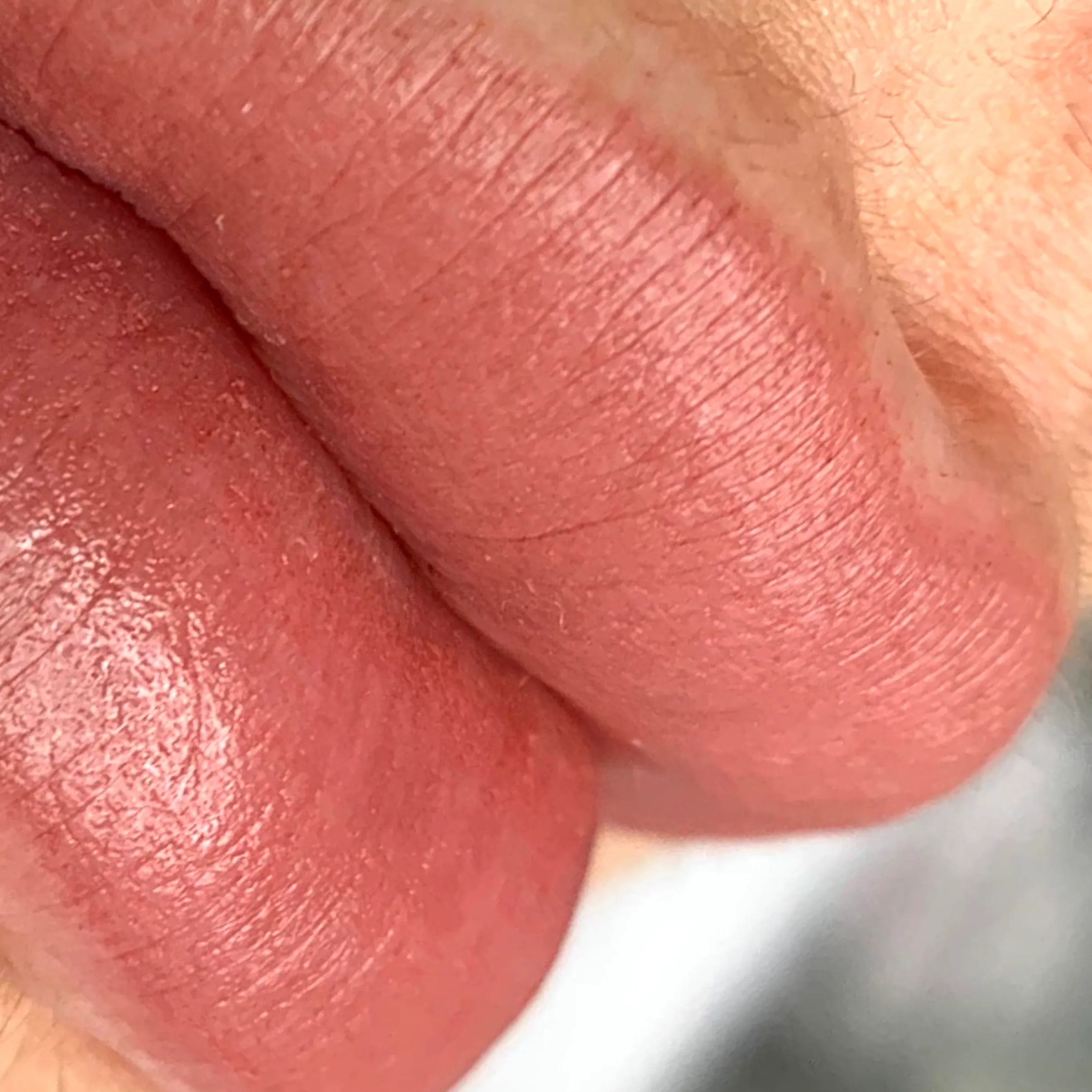
One of the biggest myths in cosmetic tattooing is that you can figure it all out on your own. You might be super talented, super dedicated, and super creative – but let’s face it – experience takes time & guidance makes all the difference.
Mentorship brings a whole bunch of benefits, including:
- Getting genuine, honest feedback on how your healed work turns out.
- Guidance on picking the right pigments for your client.
- Help with troubleshooting different skin types and how to get the best out of them.
- One-on-one help on a case-by-case basis – that’s really how you learn.
- Personalised coaching on how to fix your technique.
- Support when you feel overwhelmed – because that’s pretty normal.
- Post-course support, because you’re not on your own after class.
I work with artists who finished their course years ago & come back for mentorship because they want someone to keep an eye on their progress. And honestly, that’s how you really grow – one healed result at a time, and someone with some experience guiding your decisions.
Colour Theory: Its Not as Simple As It Sounds
Colour theory is probably one of the most misunderstood bits of cosmetic tattooing. And also one of the easiest to get wrong. Even experienced artists can get it wrong – especially if they forget how fast pigment chemistry changes.
That’s why ongoing colour theory training is so important – especially if you want to:
- Correct brow colour
- Sort out lip colours
- Get to grips with Fitzpatrick analysis
- Learn about warm vs cool tones
- Avoid brows looking ashy when they heal
- Pick the right pigments for warm skin tones
- Keep clients happy with their healed results
I’ve seen heaps of artists finish their eyeliner tattoo course or lip workshops, but still struggle with undertones. A brief refresher on colour theory usually sorts everything out.
Business Skills That Help You Actually Thrive
Technical skill can get you clients, but business skill is what keeps you in business. A lot of beginners finish their course without learning the practical side of running a studio.
Continuing to learn about business is key – it can mean the difference between success & disaster. It will help you:
- Do client consultations more smoothly
- Get the right shots of your work to show off
- Build a portfolio that shows your skills
- Get genuine reviews from real clients
- Manage consultations with confidence
- Price your services in a way that makes sense for you
- Work out where you are going with your career
A lot of client complaints aren’t actually about the technique – it’s about unclear expectations or poor communication. So, taking the time to learn business skills is just as important as getting your shading technique down.
Industry Trends Worth Learning — And What To Ignore
The cosmetic tattooing industry is always chasing trends, but to be honest, not every trend is even worth your time.
Worth taking a look at:
- Machine hairstrokes
- Updated needle configurations
- Safer rotary systems
- Lip neutralisation improvements
- Soft permanent eyeliner enhancements
Trends that aren’t worth worrying about:
- Viral “one-pass” techniques
- TikTok hacks promising shortcuts
- Pigment shortcuts with unsafe chemistry
Education is what teaches you the difference between what’s going to genuinely make your art better and what’s just going to blow up on Instagram.
A Quick Recap Of What You Should Keep Updating
If you want to make it in the long term as a cosmetic tattoo artist, you should always be brushing up on:
- Your technique – it’s always good to have a refresher
- Pigment chemistry – colour theory and all that jazz
- Infection control – you can never be too careful
- Getting more experience with live models – the more the better
- Your eyeliner tattoo game – always a good one to work on
- Lip colour correction – that can be a real challenge
- The art of doing gradients – brow tattooing is a tough one
- Pigment selection – some pigments work way better than others
- Skin type + Fitzpatrick analysis – important for getting predictable results
- All the business basics
- Finding a mentor – having someone to guide you makes all the difference
- Staying on top of the latest equipment – always good to know what’s new and what’s coming
No single course is going to teach you everything – your real learning happens over years of practice, looking at your results, and learning from your mistakes.
Final Thoughts — And A Friendly Invitation
If you’re wondering what to learn next after taking your first cosmetic tattoo course or eyeliner tattoo course, then congratulations – you’re already on the right path. The artists who stay curious, stay humble, and stay committed to growth are the ones who actually make it in this industry.
And if you want some personalised guidance to help you refine your skills, then come on down to Face Figurati. I’m always happy to lend a hand.
FAQ
How often should I be updating my training?
At least every year, especially when it comes to pigment chemistry, infection control, and technique.
Do I need to do some advanced eyeliner training after my basic course?
Yeah, you do – eyeliner is tricky and requires a lot of practice to get right.
Can I just rely on what I learned in my first cosmetic tattoo course?
It gives you the basics, but ongoing education is what makes you a great artist – with better healed results and higher client satisfaction.
Should I take multiple courses in eyeliner tattoo?
Absolutely – eyeliner is a delicate art, and I’ve seen many artists refine their skills through various courses.
What’s the best thing to do after eyeliner training?
Get some mentorship – nothing helps you get to the next level faster than working with an industry expert.